
7 Signs Your Hoist Needs Immediate Servicing
If your workshop hoist is showing unusual behaviour, delaying servicing can lead to full breakdown, failed compliance inspection, or serious safety risk. Vehicle hoist servicing becomes urgent when early warning signs appear — especially across busy NSW workshops where downtime directly impacts revenue.
Below are the 7 most common signs your hoist needs immediate attention.
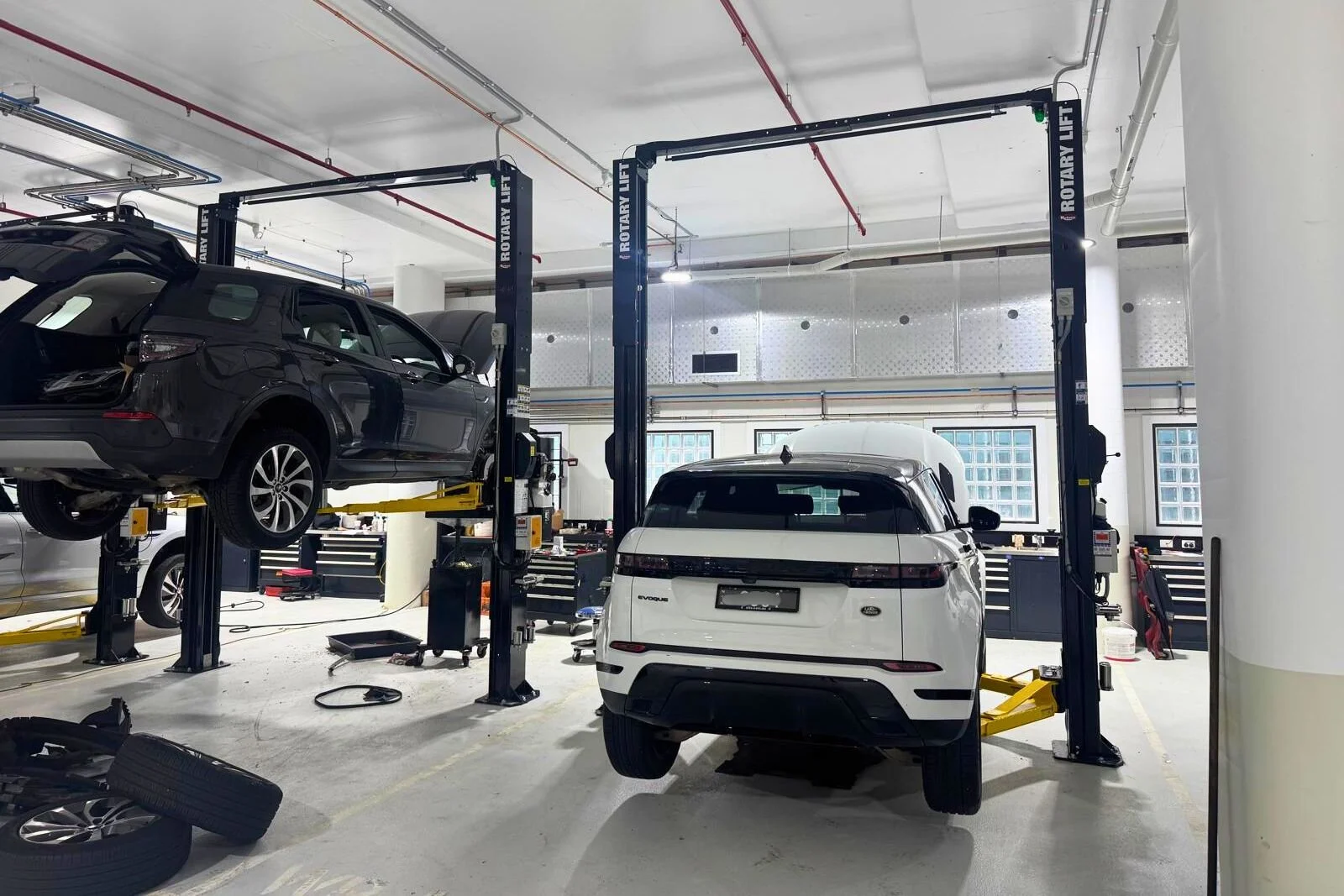
1. Uneven Lifting
If one side rises faster than the other or the vehicle tilts during lifting, this may indicate:
Cable imbalance
Hydraulic pressure issues
Worn components
Uneven lifting is one of the most common vehicle lift maintenance concerns and should be inspected immediately.
2. Slow Hydraulic Response
If your hoist is lifting slower than normal or hesitating before rising, you may be dealing with:
Hydraulic fluid contamination
Internal cylinder wear
Pump inefficiency
These are common hydraulic hoist problems that worsen over time.
3. Oil Leaks Around the Base or Cylinders
Visible oil on the floor near your lift could signal:
Seal failure
Hose deterioration
Hydraulic line damage
Ignoring oil leaks often leads to emergency hoist hydraulic leak repair situations.
4. Unusual Noises During Operation
Grinding, clicking, or knocking sounds are never normal.
If your hoist is making noise, it may indicate:
Worn bearings
Cable wear
Locking mechanism misalignment
Noise is often an early-stage warning before a breakdown.
5. Locking Mechanism Failure
If mechanical locks:
Do not engage consistently
Release unevenly
Require manual adjustment
You may have serious hoist safety issues developing.
This is a compliance-critical fault.
6. Electrical Faults or Control Issues
Common warning signs include:
Intermittent power loss
Control buttons failing
Circuit trips during operation
Electrical instability can lead to unexpected shutdowns and may require urgent hoist repair NSW..
7. Visible Structural Damage
Cracks, bent arms, damaged anchor points, or corrosion should never be ignored.
Structural issues can escalate into complete workshop hoist breakdown situations if not assessed quickly.
What Happens If You Ignore These Signs?
Delaying vehicle hoist servicing can result in:
Full equipment failure
Missed bookings
Failed compliance inspections
Insurance exposure
Increased repair cost
Many workshops only call when searching “hoist repair near me” after a breakdown. Early servicing prevents that escalation.
Emergency Hoist Repair NSW Workshops Can Rely On
If your hoist is not working properly, do not wait.
Our team provides:
Emergency hoist repair
Full vehicle lift servicing
Preventative hoist maintenance programs
Compliance-ready inspection documentation
Across NSW, workshops rely on fast response to minimise downtime and restore safe operation.
If you're unsure whether the issue is urgent, you can also:
explore our preventative hoist servicing program
Contact a TWSA hoist repair specialist for assessment
How Much Does Hoist Servicing Cost?
Cost depends on:
Type of hoist (2-post, 4-post, scissor, heavy duty)
Nature of the fault
Required replacement parts
Level of compliance testing required
Preventive servicing is typically far less expensive than emergency breakdown repair.
Don’t Wait for a Full Breakdown
If you’ve noticed any of the 7 signs above, book servicing before the issue escalates.
Workshops across NSW trust professional vehicle hoist servicing to keep their lifts compliant, safe, and operational.
Contact our team today to restore safe operation.
FAQs
-
Uneven lifting, oil leaks, unusual noise, slow hydraulic response, locking mechanism failure, electrical faults, and structural damage are common warning signs.
-
No. Unusual noises often indicate mechanical wear that can lead to sudden failure. Inspection is recommended.
-
Immediately. Hydraulic leaks can worsen rapidly and create both safety and environmental risks.
-
Qualified automotive workshop hoist repair providers in Australia familiar with NSW compliance standards should handle urgent repairs.
-
Vehicle hoists should be inspected and serviced at least annually, in line with SafeWork NSW guidelines. However, high-usage workshops or heavy-duty applications may require more frequent servicing to maintain safety, performance, and compliance.
-
No. Uneven lifting or delayed hydraulic response can indicate underlying mechanical or hydraulic faults. Continuing to operate the hoist increases the risk of load instability, component failure, and safety hazards, and should be assessed immediately.
-
Yes. Even seemingly minor faults such as worn cables, inconsistent locking mechanisms, or hydraulic leaks can result in non-compliance during inspection. Regular servicing helps identify and rectify these issues before they become compliance risks.
