
How to Calculate CFM for a Workshop Air Compressor
Choosing the correct air compressor starts with understanding CFM (Cubic Feet per Minute) — the actual airflow required to run your workshop efficiently.
Undersizing a system leads to pressure drops, tool inefficiency, and premature compressor failure. Oversizing, on the other hand, results in unnecessary capital cost and higher energy consumption.
This guide outlines how to accurately calculate CFM requirements based on real workshop demand, not guesswork.
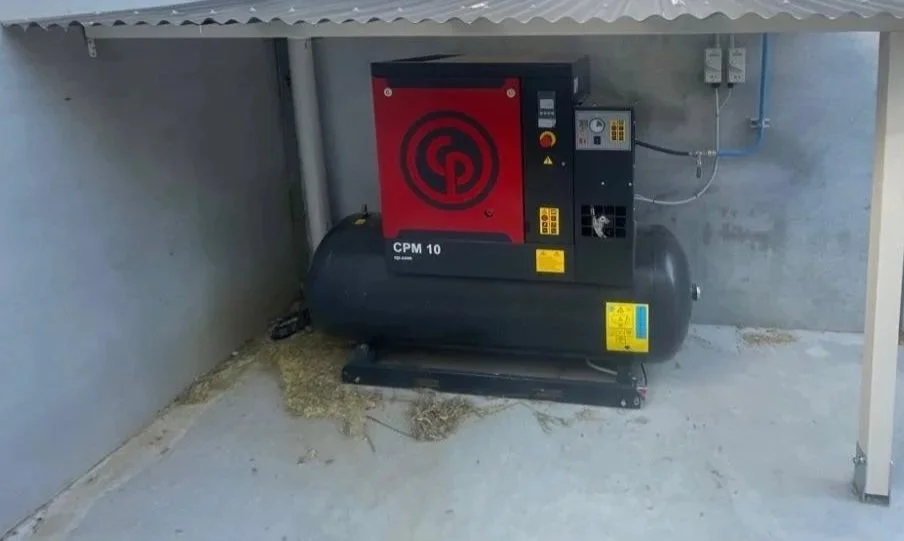
What Is CFM in a Compressed Air System?
CFM represents the volume of air delivered by a compressor over time. Every pneumatic tool in your workshop has a specific CFM requirement at a given pressure (PSI).
In a workshop environment, total system performance depends on whether your compressor can maintain consistent airflow under load, not just peak output.
If total demand exceeds supply, the system compensates by:
dropping pressure
increasing compressor run time
reducing tool performance
Step-by-Step Guide to Calculating Workshop CFM Requirements
Step 1 – Identify All Air-Dependent Equipment
Start by listing all equipment that draws compressed air, including:
impact wrenches
tyre changers and balancers
hoists with air assist
spray guns and paint systems
air ratchets and grinders
wash bay and cleaning tools
This ensures your calculation reflects actual operational demand, not just primary tools.
Step 2 – Identify Individual Tool CFM Ratings
Each tool has a manufacturer-specified airflow requirement.
Typical examples:
Impact wrench: ~4–6 CFM
Tyre changer: ~6–10 CFM
Air ratchet: ~3–5 CFM
Spray gun: ~8–12 CFM
These values should be verified against manufacturer specifications where possible.
Step 3 – Calculate Simultaneous Usage (Critical Step)
Not all tools operate at once. The key is to estimate realistic simultaneous demand, based on:
number of technicians
workflow patterns
peak operating periods
Example:
If 5 technicians are working simultaneously and each averages 6 CFM:
→ Base demand = 30 CFM
This is the most common point where workshops underestimate system requirements.
Step 4 – Add a Safety Margin for Peak Load
Always apply a 25–30% safety margin to account for:
peak usage
system losses
future expansion
Formula:
Total Required CFM = Simultaneous Demand × 1.25–1.3
Example:
30 CFM × 1.3 = 39 CFM required capacity
Without this margin, systems often operate at full load continuously, leading to early failure.
Why Incorrect CFM Calculation Causes Pressure Drops
When a compressor cannot meet demand, pressure drops occur across the system.
This results in:
air starvation at tools
reduced torque and performance
inconsistent operation across bays
excessive compressor cycling
increased wear and overheating
Over time, this reduces both productivity and equipment lifespan.
System Factors That Affect Actual CFM Performance
Even with correct calculations, system design plays a critical role.
Common factors that reduce effective airflow include:
undersized pipework
long pipe runs with multiple bends
poor distribution layout
air leaks within the system
inadequate air receiver capacity
These issues can make a correctly sized compressor behave as if it is undersized.
When to Seek Professional Compressed Air System Design
Compressed air systems should be designed based on actual load demand, workflow, and infrastructure layout — not estimated or adapted over time.
Professional system design becomes critical if your workshop is:
building a new facility or planning a fitout
expanding bays, equipment, or technician capacity
experiencing pressure drops or inconsistent airflow
upgrading to higher-demand tools or systems
Without proper design, even high-quality equipment can underperform due to poor distribution, incorrect sizing, or system inefficiencies.
A professionally designed compressed air system ensures:
accurate CFM load calculations based on real usage
correct pipe sizing, routing, and minimal pressure loss
stable and consistent pressure across all workstations
effective moisture separation and air quality control
reduced energy consumption and operating costs over time
This approach not only improves performance but also supports long-term reliability, scalability, and compliance in workshop environments.
A properly designed system can significantly improve performance and reduce ongoing costs.
Explore compressed air system installation.
Need Help Selecting the Right Air Compressor?
Once your required CFM is established, selecting the right compressor becomes significantly easier.
Workshops operating at higher demand levels often benefit from:
rotary screw compressors
properly sized air receivers
optimised system layout
FAQs
-
Most small workshops require 15–30 CFM depending on simultaneous tool usage. Most medium-scale automotive workshops require between 20–80 CFM, depending on the number of technicians, types of tools used, and simultaneous demand. High-usage environments with tyre equipment, spray guns, and multiple bays typically require higher capacity systems with additional storage and distribution planning.
-
Most automotive workshops require between 20–80 CFM, depending on the number of technicians, types of tools used, and simultaneous demand. High-usage environments with tyre equipment, spray guns, and multiple bays typically require higher capacity systems with additional storage and distribution planning.
-
An undersized compressor will struggle to maintain consistent pressure, causing:
air starvation
tool inefficiency
continuous compressor operation
overheating and premature failure
Over time, this significantly increases maintenance costs and energy consumption.
-
Yes. While PSI (pressure) and CFM (flow) are different, they work together. Higher pressure requirements can increase system demand, and incorrect pressure settings can cause compressors to work harder, affecting overall efficiency and performance.
-
Incorrect pipe sizing can cause significant pressure drops, reducing effective CFM at the tool level. Even with a correctly sized compressor, poor pipework design can create bottlenecks and make the system behave as if it is undersized.
-
Air receivers provide storage capacity to handle peak demand and reduce compressor cycling. While they do not increase compressor output, they help stabilise pressure and improve system efficiency when demand fluctuate
-
Compressed air systems should be sized for both current usage and future expansion. Undersizing limits growth, while proper planning allows additional tools or bays to be added without requiring a full system upgrade.
-
For high-demand environments, rotary screw compressors are typically preferred due to their ability to provide continuous airflow, improved efficiency, and better pressure stability compared to piston compressors.
If your current setup is showing signs of pressure loss or inefficiency, it may be worth reviewing whether your system is correctly sized.
Speak with our team to assess your compressed air requirements.
