
Compressed Air Leaks in Workshops – The Hidden Cost You’re Already Paying
Compressed air leaks are one of the most common yet overlooked causes of energy loss and reduced efficiency in workshop environments.
In many automotive and industrial workshops, leaks can account for 20–30% of total compressed air usage, significantly increasing electricity costs and placing unnecessary strain on compressors.
Even a small 3mm leak can result in thousands of dollars in wasted energy annually.
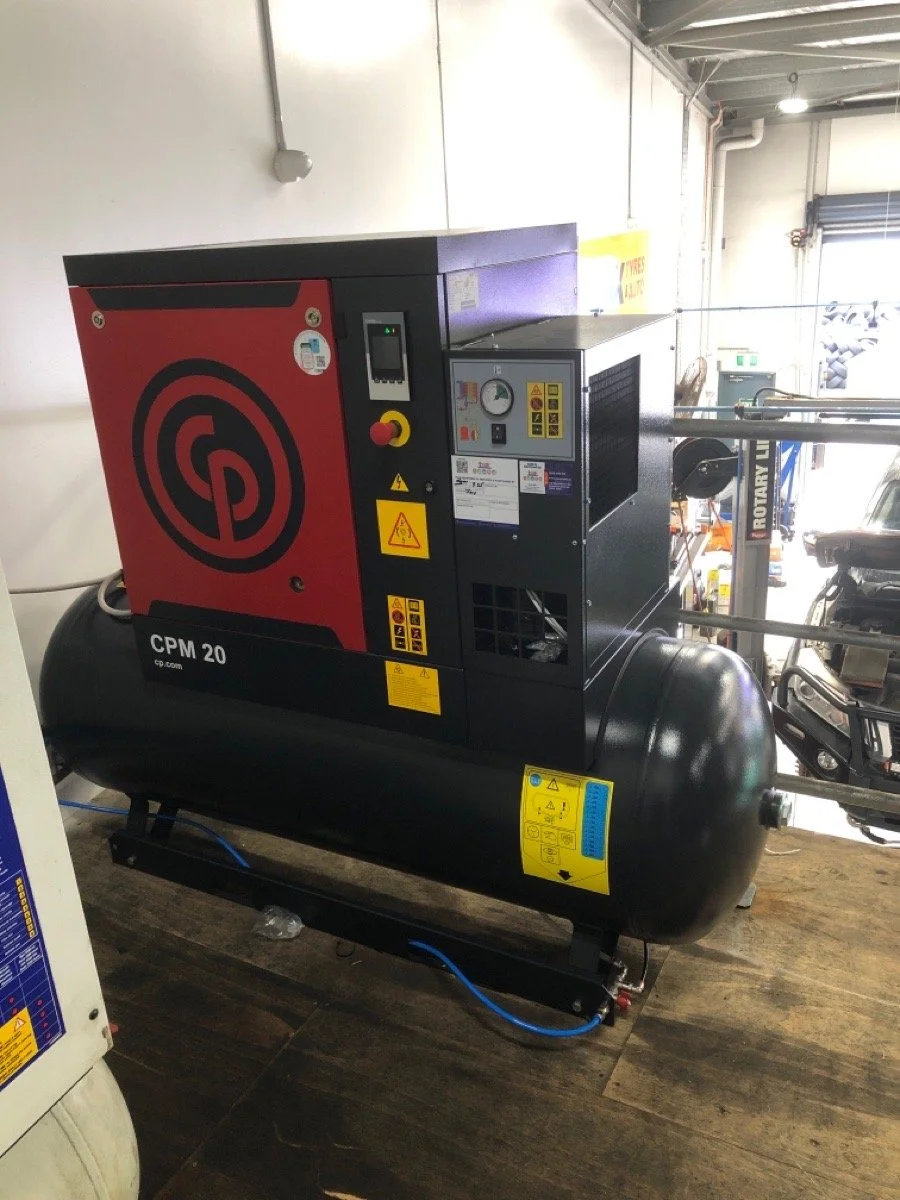
Why Compressed Air Leaks Increase Operating Costs
Air leaks force your compressor system to work harder than necessary, leading to:
Increased energy consumption
Continuous compressor cycling and wear
Reduced system pressure and performance
Higher maintenance frequency
Shortened compressor lifespan
Over time, this results in higher operational costs and reduced equipment reliability.
Where Compressed Air Leaks Commonly Occur
In workshop environments, leaks are typically found in high-use or poorly maintained areas:
Hose fittings and connections
Quick-connect couplings
Isolation valves
Pressure regulators
Pipe joints and fittings
Older or damaged pipework systems
These points are often overlooked during routine checks.
How to Identify Compressed Air Leaks
Detecting leaks early helps prevent unnecessary energy loss.
Common methods include:
Listening for hissing sounds during operation
Monitoring pressure drops when the system is idle
Using ultrasonic leak detection equipment
Conducting routine system inspections
In larger workshop setups, leaks may not always be visible, making regular inspections critical.
The Role of Maintenance in Preventing Air Loss
Regular servicing plays a key role in maintaining system efficiency.
A structured maintenance program typically includes:
Leak detection and repair
Pressure testing
Inspection of fittings and valves
System performance checks
Compressed air system issues can often be identified during your compressed air routine servicing.
When It’s Time to Upgrade Your Compressed Air System
In some cases, recurring leaks are caused by outdated system design or poor pipework layout.
Upgrading your compressed air system can:
Improve pressure consistency
Reduce energy waste
Minimise leak points
Support long-term operational efficiency
Well-designed compressed air systems reduce leak risks and improve performance.
-
Compressed air leaks can waste up to 20–30% of total system energy, significantly increasing electricity costs in workshop environments.
-
Yes, especially if pressure stability affects operational safety. Inconsistent pressure and system inefficiencies can impact operational safety, particularly in workshops where air-powered tools are critical to daily operations.
-
Common signs include constant compressor cycling, pressure drops when tools are in use, and hissing sounds around fittings or pipework. Monitoring system performance over time can also indicate hidden leaks.
-
Leaks are most commonly found in hose fittings, quick-connect couplings, valves, regulators, and pipe joints, especially in high-use areas or older systems.
-
Yes. Leaks force compressors to work harder, which increases wear and can lead to premature failure of compressors and connected equipment.
-
Workshops should perform routine inspections and servicing at least annually, or more frequently in high-demand environments.
-
If leaks are recurring due to old pipework, poor layout, or outdated components, upgrading the system may be more cost-effective long term.
If you’re noticing pressure drops or suspect air leaks in your workshop, it may be worth having your system assessed. Addressing leaks early can help improve efficiency, reduce energy costs, and extend equipment life.
Speak with our team to discuss your current setup.
