
When to Replace Older Workshop Hoists: Safety, Compliance & Efficiency Across NSW
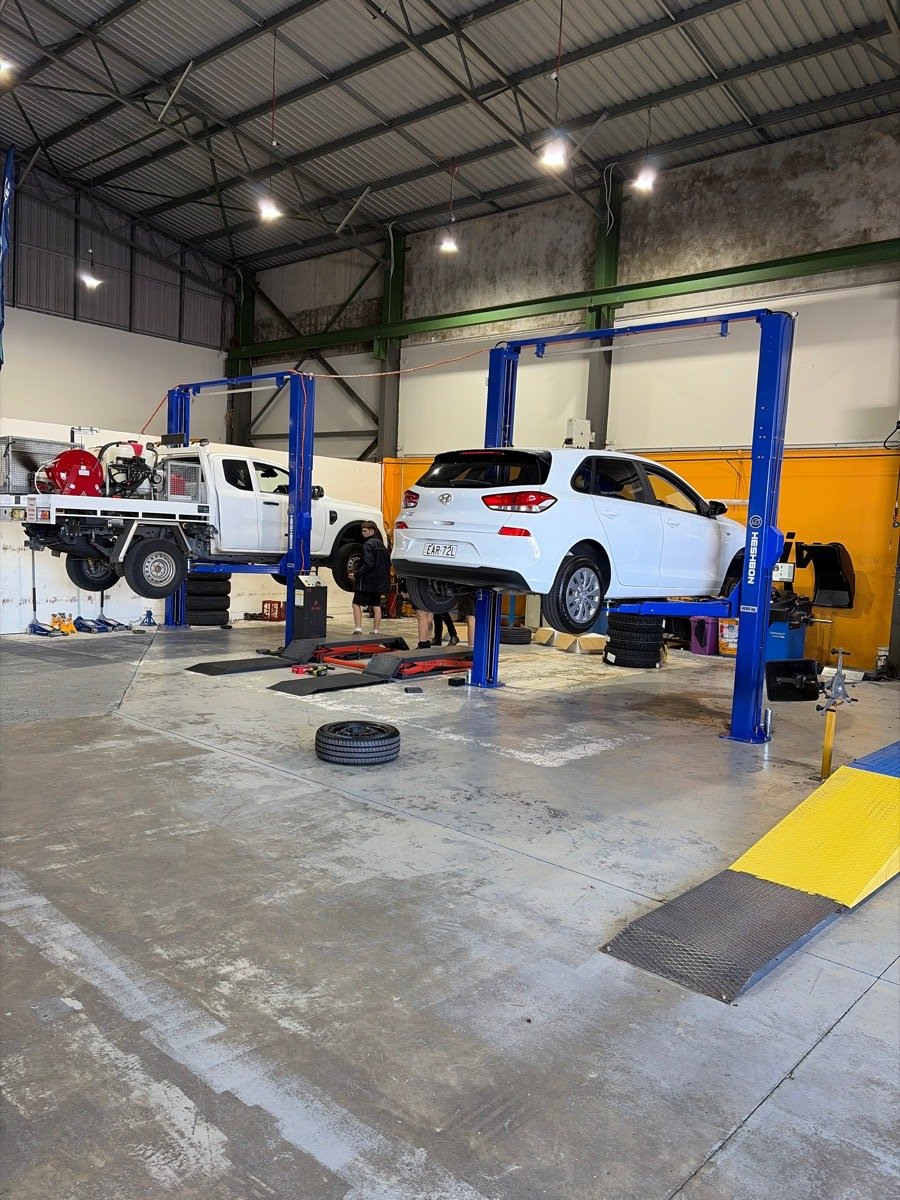
Running Older Hoists? When Replacement Becomes a Safety Issue
In many automotive workshops across New South Wales, vehicle hoists are among the longest-serving assets on the workshop floor.
They are also one of the highest-risk pieces of equipment when they are no longer fit for purpose.
From recent hoist replacement projects delivered by Total Workshop Solutions Australia (TWSA) across NSW — including completed works in Albion Park — a consistent pattern has emerged:
delaying hoist replacement increases safety risk, operational downtime, and compliance exposure.
For workshop owners, service managers, and fleet operators, understanding when replacement becomes necessary is critical to maintaining a safe and compliant workshop environment.
Why Older Workshop Hoists Create Increasing Risk Over Time
Vehicle hoists operate under continuous mechanical stress, repeated load cycles, and demanding workshop conditions. Even with regular servicing, ageing hoists can reach a point where ongoing maintenance is no longer enough.
Based on on-site assessments and hoist replacement projects across NSW, the most common indicators that replacement is overdue include:
1. Increasing Downtime and Reactive Maintenance
Older hoists often experience:
Frequent faults or breakdowns
Unplanned bay downtime
Delays during peak service periods
At this stage, maintenance becomes reactive rather than preventative, affecting workshop productivity and revenue.
2. Difficulty Meeting Current Australian Standards
Australian Standards and workplace safety expectations evolve over time. Many older hoists:
No longer meet current Australian Standards
Lack compliant documentation for audits or inspections
Present increased risk during annual safety checks
Even if a hoist is still operational, non-compliance introduces legal and safety exposure for workshop operators.
3. Reduced Bay Efficiency and Technician Workflow
As hoists age:
Vehicle positioning becomes slower
Bay utilisation decreases
Technician workflow is disrupted
Over time, these inefficiencies reduce throughput and increase servicing bottlenecks.
4. Elevated Safety Risk for Technicians and Vehicles
Most critically, ageing hoists increase the risk of:
Unsafe lifting conditions
Mechanical failure under load
Potential injury to technicians and damage to vehicles
At this stage, replacement becomes a risk-reduction decision, not just an equipment upgrade.
Hoist Replacement Is More Than Installing New Equipment
A common misconception is that hoist replacement is simply a like-for-like swap.
In practice, effective hoist replacement involves:
Reviewing workshop layout and bay workflow
Planning staged installations to minimise downtime
Ensuring compliance with current Australian Standards
Managing removal, installation, testing, and certification as one process
Without proper planning, hoist upgrades can unnecessarily disrupt daily operations.
A Planned Approach to Hoist Replacement Delivers Better Outcomes
At Total Workshop Solutions Australia, hoist replacement projects across NSW are delivered with a focus on:
Workshop safety and risk reduction
Compliance with Australian Standards
Improved bay efficiency and throughput
Minimal disruption to live workshops
This approach is particularly important for workshops planning staged hoist upgrades rather than full shutdowns.
3 Signs Your Workshop Hoists May Be Due for Replacement
Across NSW workshops, these are the three most common indicators we see:
Frequent breakdowns or unplanned downtime
Compliance concerns during inspections or audits
Hoists limiting bay efficiency or technician workflow
Replacing hoists early often provides more control over timing, cost, and operational impact.
Replacing Hoists Early Is Often Safer — and Less Disruptive
Workshops that plan hoist replacement before failure typically experience:
Reduced safety exposure
Fewer unexpected interruptions
Smoother compliance audits
Improved long-term asset performance
Waiting until failure often forces rushed decisions at the worst possible time.
Final Thoughts
Hoist replacement isn’t just about installing new equipment.
It’s about safety, compliance, and keeping NSW workshops operational and efficient — today and into the future.
If you’re responsible for workshop assets or planning staged upgrades, understanding when to replace is the first and most important step.
-
Hoist lifespan varies by usage, maintenance, and workshop conditions, but high-cycle workshops often see performance decline before the hoist fully “fails,” which is why condition and compliance matter more than age alone.
-
Frequent breakdowns, increasing downtime, safety concerns, and ongoing compliance issues during inspections are common indicators that repairs are becoming reactive rather than preventative.
-
Some older hoists can remain compliant if correctly maintained and documented, but many struggle to meet current expectations—especially where documentation gaps or safety requirements have changed.
-
With staged planning, hoists can often be replaced bay-by-bay to minimise downtime and keep critical servicing capacity operational.
-
A replacement plan should consider workflow, bay layout, removal logistics, installation sequencing, testing/commissioning, and compliance handover documentation.
-
It’s both: replacement reduces risk and improves compliance, while also restoring bay efficiency and reducing disruptions caused by faults and downtime.
