
How to Choose the Right Vehicle Hoist Before EOFY
If you’re planning to invest in a vehicle hoist that Australian workshop owners trust, EOFY is the most strategic time to do it. Whether you operate in metro Sydney or regional NSW, choosing the right hoist impacts compliance, productivity, and long-term profitability. Before June 30, it’s critical to understand capacity, layout, installation requirements and the true vehicle hoist price workshops in Australia should expect.
For workshops preparing budgets before EOFY, the question isn’t just what hoist should I buy? — it’s which hoist will generate the highest return while remaining compliant?
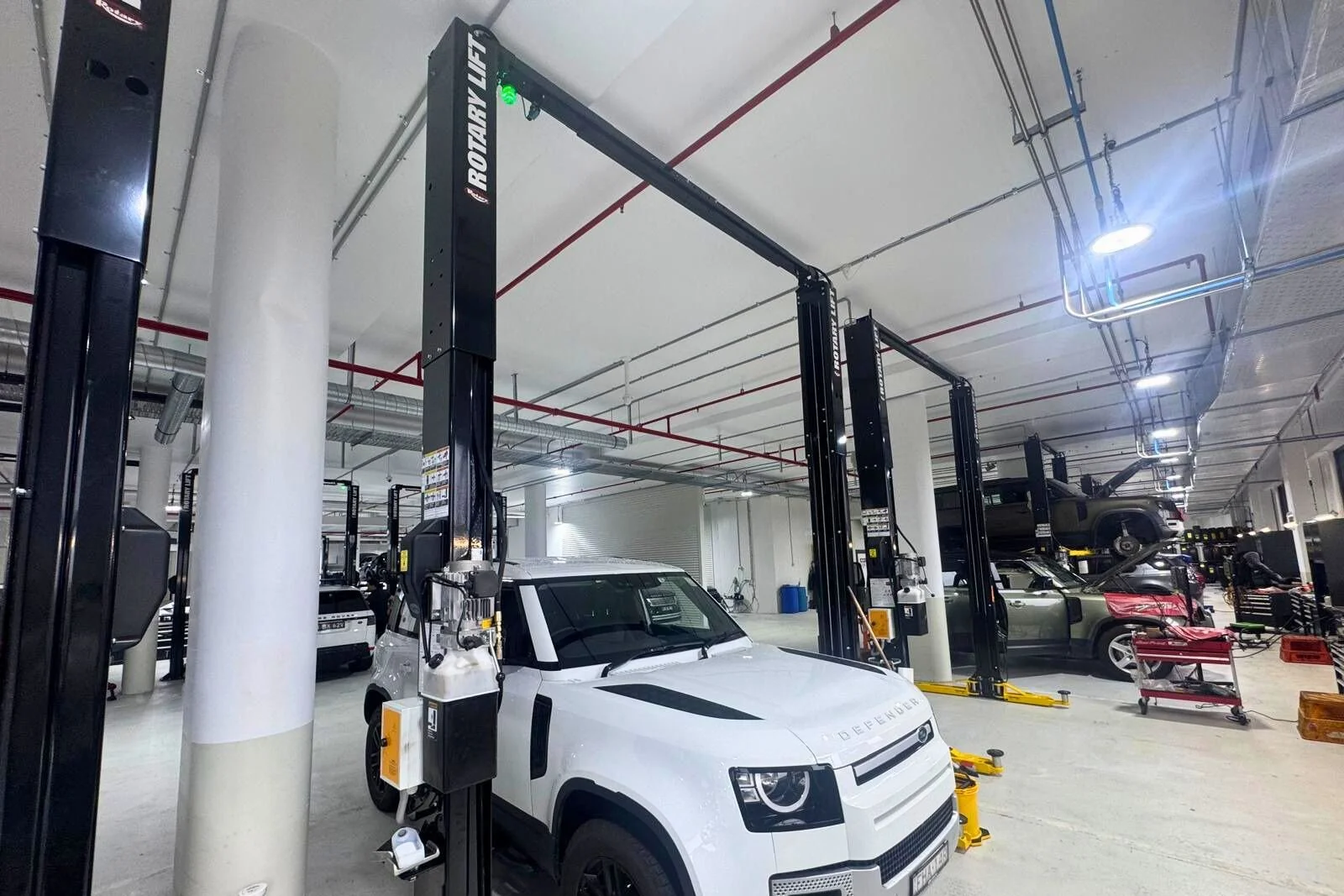
Why EOFY Is the Best Time to Upgrade Your Vehicle Hoist
EOFY purchasing isn’t just about tax timing. It’s about:
Securing installation slots before peak demand
Avoiding compliance risks before inspection season
Increasing service capacity before winter workflow increases
Replacing ageing lifts before costly downtime
Workshops in NSW often wait too long and face scheduling delays. Planning now ensures installation before June 30 while documentation is processed correctly.
If you’re unsure about compliance requirements, review our Compliance Inspection Services page to understand SafeWork-ready standards.
Step 1: Understand Your Workshop’s Lifting Requirements
Choosing the right commercial hoist for workshop operations depends on:
Vehicle types serviced (passenger, 4WD, light commercial)
Average vehicle weight
Ceiling height
Bay width and layout
Future expansion plans
Many workshop owners searching for the best hoist for small workshop underestimate long-term growth. Installing an under-capacity lift can limit revenue within 2–3 years.
2 Post Hoist vs 4 Post Hoist vs Scissor Hoist
2 Post Hoist
Best for:
General mechanical repairs
Smaller workshop bays
High daily throughput
Advantages:
Cost-effective
Space efficient
Ideal for most automotive workshops
4 Post Hoist
Best for:
Heavier vehicles
Long-term vehicle storage
Wheel alignment setups
Often preferred as a heavy duty vehicle hoist option for workshops servicing larger fleets.
Scissor Hoist
Best for:
Low ceiling workshops
Quick service bays
Tyre and brake specialists
Compact but may limit underbody access depending on model.
If you're planning alignment services, a wheel alignment hoist may be required to maximise accuracy and productivity.
Explore available models in our Vehicle Hoist Category Page.
How Much Does a Vehicle Hoist Cost in Australia?
A common EOFY question: how much does a vehicle hoist cost?
The vehicle hoist price Australia workshops typically pay depends on:
Lift type (2 post, 4 post, scissor)
Lifting capacity
Installation complexity
Electrical upgrades
Concrete requirements
Compliance certification
In NSW, professional vehicle hoist installation services are critical for both warranty and safety compliance.
Low-cost imports may reduce upfront expense but increase long-term servicing and risk exposure.
For servicing support after installation, view our Hoist Servicing Page.
Compliance: The Factor Many Workshops Overlook
Installing a vehicle hoist NSW workshops rely on requires:
Proper anchoring and slab assessment
Electrical certification
Load testing
Locking mechanism inspection
Scheduled servicing documentation
SafeWork inspections require documented maintenance history.
Failure to comply may result in:
Operational shutdown
Fines
Insurance complications
For a detailed overview, visit our Compliance Hub for guidance on inspection readiness.
Installation Timeline Before June 30
Workshops across NSW often underestimate lead times.
EOFY pressure creates:
Stock shortages
Installation delays
Limited booking availability
We recommend:
Confirm hoist selection by April
Schedule installation by May
Complete certification before June 30
Common Mistakes When Choosing a Vehicle Hoist in Australia
Buying based on price alone
Ignoring slab thickness requirements
Underestimating future growth
Skipping professional installation
Overlooking servicing intervals
Choosing a reputable automotive hoist supplier in Australia that workshops trust ensures long-term performance and compliance.
Should You Replace or Repair Before EOFY?
If your existing hoist:
Lifts unevenly
Shows hydraulic leaks
Has delayed locking mechanisms
Requires frequent servicing
It may be more cost-effective to replace before EOFY and secure asset write-off benefits.
Final Considerations Before Purchasing
Before investing in a vehicle hoist, workshops depend on:
Assess your bay layout
Confirm vehicle mix
Review compliance obligations
Budget for installation
Schedule servicing program
Upgrading before EOFY positions your workshop for stronger productivity and compliance into the next financial year.
FAQs
-
Vehicle hoist price Australia workshops pay typically varies based on type, lifting capacity and installation complexity. A professionally installed 2 post hoist will differ significantly from a heavy duty vehicle hoist with advanced features.
-
The best hoist for small workshop environments is usually a 2 post hoist due to its compact footprint and flexibility.
-
Yes. Professional hoist installation NSW ensures compliance with Australian standards and SafeWork regulations.
-
Standard workshop hoist installation typically takes one full day, depending on slab condition and electrical readiness.
-
Yes. A compliance inspection ensures safe operation and documentation for regulatory
-
Lifting capacity should be based on the heaviest vehicles your workshop services, not average use. Most workshops require a minimum of 4–5 tonne capacity, but workshops servicing 4WDs, vans, or light commercial vehicles may require higher-rated hoists to ensure safe operation and future scalability.
-
Yes. Concrete slab thickness and condition are critical for safe installation. Most hoists require specific slab depth, strength, and anchoring conditions. Failing to meet these requirements can lead to installation delays, compliance issues, or structural failure over time.
-
While physically possible, it is not recommended and may void warranty or insurance coverage. Professional installation ensures correct anchoring, electrical setup, load testing, and compliance with SafeWork NSW requirements, which are essential for legal operation.
If you’re planning a hoist upgrade before EOFY, it may be worth reviewing your requirements early to avoid delays and ensure compliance.
Speak with our team to discuss the right hoist for your workshop.
